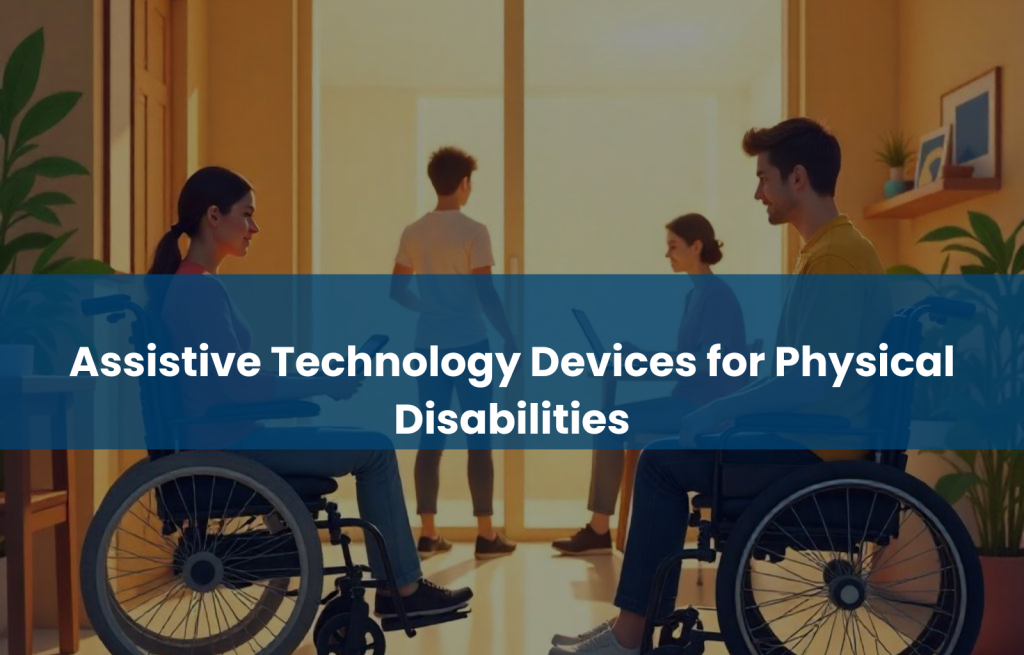
For millions of people living with physical disabilities, assistive technology offers a pathway to greater independence, improved quality of life, and expanded opportunities. From mobility aids to communication devices, these technologies empower individuals to navigate daily challenges with confidence and dignity.
In this complete guide, we’ll explore what assistive technology is, highlight popular assistive technology devices for physical disabilities, and provide tips for choosing the right tools to enhance accessibility and independence.
What Is Assistive Technology?
Assistive technology refers to any device, equipment, software, or system that helps individuals with disabilities perform functions that might otherwise be difficult or impossible. These tools remove barriers in mobility, communication, education, work, and daily living activities.
Categories of Assistive Technology:
- Mobility Aids (e.g., wheelchairs, scooters, walkers)
- Daily Living Aids (e.g., adaptive utensils, grab bars, dressing tools)
- Communication Devices (e.g., speech-generating devices, apps)
- Environmental Control Systems (e.g., smart home systems, automatic doors)
- Computer Access Tools (e.g., adaptive keyboards, eye-tracking devices, screen readers)
Assistive technologies are key to promoting independence, dignity, and inclusion in all areas of life.
Types of Assistive Technology Devices for Physical Disabilities
Here are some common types of assistive technology devices for physical disabilities:
Mobility Aids
- Manual and Electric Wheelchairs – Providing mobility and independence indoors and outdoors.
- Scooters – Helpful for longer-distance travel.
- Walkers and Rollators – Offer support for walking short distances.
Daily Living Aids
- Adaptive Utensils – Specially designed tools for easier eating and drinking.
- Grab Bars and Handrails – Support balance and stability in bathrooms and around the home.
- Dressing Tools – Devices like button hooks and dressing sticks for greater independence.
Communication Devices
- Speech-to-Text Software – Converts spoken words into text for easier communication.
- Augmentative and Alternative Communication (AAC) Devices – Help individuals with speech impairments communicate effectively.
Environmental Controls
- Smart Home Technology – Voice-activated systems to control lights, thermostats, and security systems.
- Automatic Doors and Remote Controls – Allow easy access without physical exertion.
Computer Access Tools
- Adaptive Keyboards – Designed for easier use by individuals with motor impairments.
- Mouse Alternatives – Devices like trackballs or eye-tracking systems.
- Screen Readers – Software like JAWS or NVDA that reads content aloud for users.
Innovations in Assistive Devices for Physical Disabilities
Recent advancements are transforming how people with physical disabilities engage with the world:
- Smart Prosthetics – AI-powered limbs that respond to muscle signals.
- Exoskeletons – Wearable devices that support walking and standing for individuals with paralysis.
- Voice-Controlled Wheelchairs – Enhancing mobility for users with limited upper body strength.
- Smartphone Apps – Assisting with navigation, home automation, and communication.
These innovations are driving a new era of greater autonomy, safety, and participation in everyday life.
Barriers to Obtaining Adaptive & Assistive Technology Items
Despite the life-changing potential of these tools, barriers remain:
- High Costs – Many devices are expensive and not always fully covered by insurance.
- Limited Access – Individuals in rural areas may struggle to find nearby providers.
- Lack of Awareness – Many individuals are unaware of available technologies or financial assistance programs.
- Complex Funding Systems – Navigating insurance claims, grants, and government programs can be overwhelming.
Advocacy, education, and better funding programs are crucial to closing the accessibility gap.
How These Devices Improve Lives
Assistive technologies offer tremendous benefits:
- Independence and Dignity – Reducing reliance on caregivers for daily tasks.
- Workplace and Academic Inclusion – Enabling participation in education and employment.
- Social Participation – Facilitating communication and mobility for active community involvement.
- Mental Health Benefits – Increasing self-confidence and reducing feelings of isolation.
Accessible technologies open the door to greater opportunities and full participation in society.
How to Choose the Right Device
Finding the right assistive device involves careful consideration:
- Government Programs – Federal and state programs often offer funding support (e.g., Medicaid, Assistive Technology Act programs in the U.S.).
- Insurance Coverage – Check if your insurance covers assistive devices—coverage varies.
- Grants and Nonprofits – Organizations like United Cerebral Palsy, Easterseals, and various disability foundations offer grants for assistive tech.
- Testing Before Purchase – Whenever possible, trial devices to ensure they meet individual needs.
Consulting with occupational therapists, accessibility consultants, and disability advocates can also guide the selection process.
Final Thoughts
Assistive technology devices for physical disabilities are revolutionizing accessibility, independence, and quality of life. By understanding available options and overcoming barriers to access, individuals can choose the tools that best support their goals.
Need help identifying the right assistive technology? Contact our Accessibility Consultants for personalized support today.
Frequently Asked Questions (FAQs)
What are examples of assistive technology for physical disabilities?
Examples include wheelchairs, voice-activated smart home devices, adaptive utensils, speech-generating devices, and screen readers.
Are assistive devices covered by insurance?
Sometimes. Coverage varies by insurance provider, type of device, and country. Many assistive devices are eligible under Medicaid, Medicare, or private insurance plans in the U.S.
How do I get an assistive device in the U.S.?
You can access assistive devices through rehabilitation centers, accessibility consultants, nonprofit organizations, and government programs that provide funding or referrals.
Can assistive technology be used at school or work?
Yes. Employers and educational institutions are legally obligated under the ADA to provide reasonable accommodations, which may include assistive technology.
Where can I test or trial assistive technology?
Many rehabilitation centers, assistive technology centers, or nonprofits offer trial programs or allow users to test devices before purchasing.